WHAT IS REMS BONE SCAN?
Radio Frequency Echographic Multi-Spectrometry
A REMS scan is a non-invasive, radiation-free scan that assesses bone density and bone quality using advanced ultrasound and radiofrequency technology. This makes it safe for regular monitoring, unlike traditional DEXA scans.
Key Benefits of REMS:
- Radiation-free: Safe for repeated use
- TGA-approved in Australia, also approved in Europe and US
- Accurate and reliable: Comparable to DEXA scans
- Provides T-score, Z-score, and Bone Mineral Density (BMD)
- Exclusive to REMS: A Fragility Score assessing the internal structure of your bones
- Operated by fully trained REMS Medical Practitioners
The Scan Process
What to Expect During Your Scan
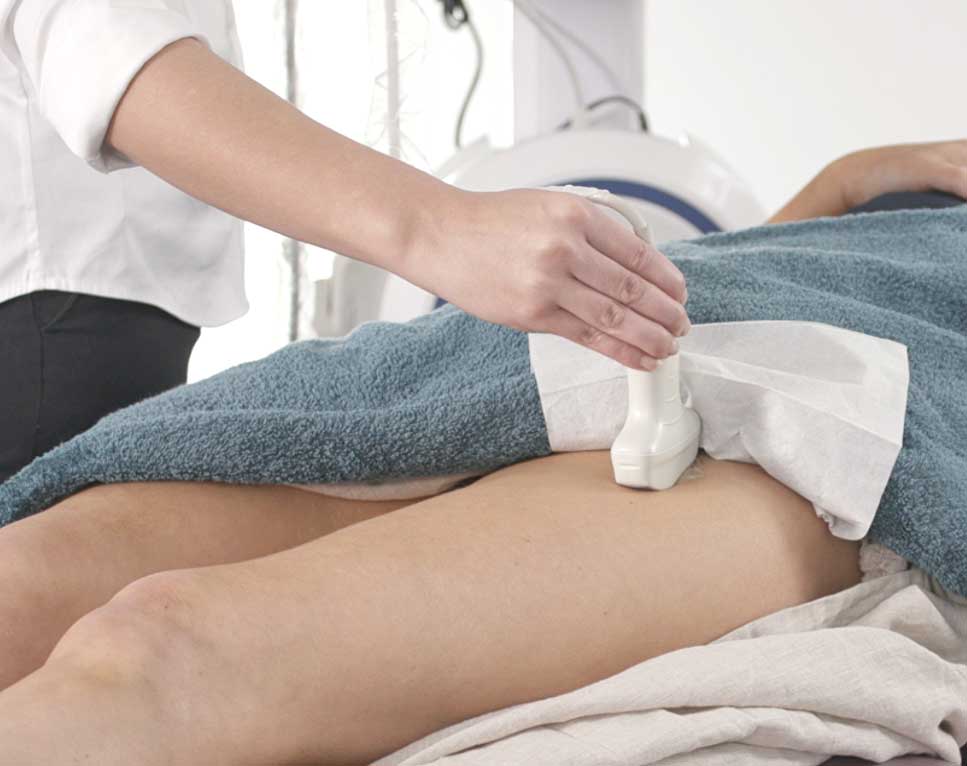
Our REMS scan is designed to be quick, comfortable, and highly accurate – with no needles, no radiation, and no discomfort.
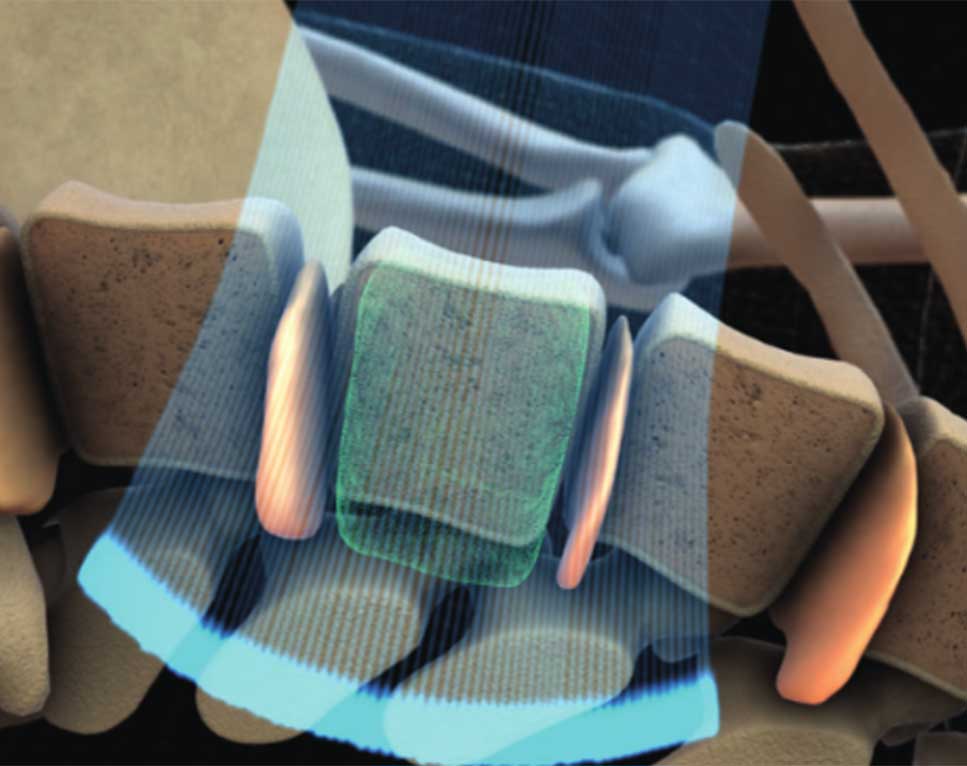
We focus on two key areas that are most commonly affected by osteoporosis and provide the most reliable indicators of bone density: the Lumbar Spine (L1–L4) and the Femoral Neck (hip). These spots have been the clinical standard for decades due to their susceptibility to fractures and their value in assessing overall bone health.
The scan itself takes approximately 20 to 30 minutes, requires no special preparation, and delivers immediate results. You’ll receive a clear explanation of your report straight after the scan.
Your Report Explained
Understanding Your Scan Results
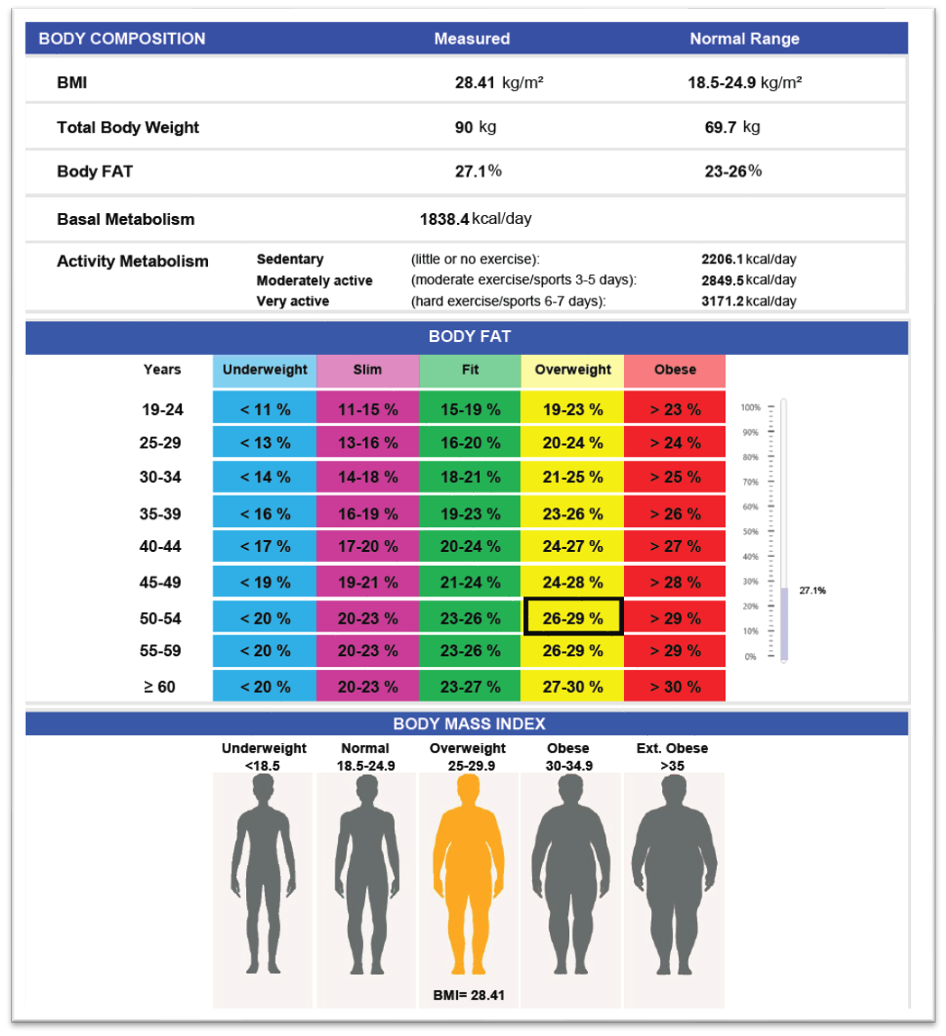
Once your REMS scan is complete, you’ll receive a comprehensive, easy-to-understand report outlining the key aspects of your bone health, including:
- Bone Mineral Density (BMD): Measures how much mineral is in your bones.
- T-Score: Compares your bone density to that of a healthy young adult.
- Z-Score: Compares your bone density to others your age and sex.
- Diagnosis based on WHO Guidelines: Indicates whether your results fall within the range of Normal, Osteopenia, or Osteoporosis.
- Fragility Score (REMS-exclusive): A unique assessment of your bone’s internal structure and strength – shown to predict fracture risk more effectively than BMD alone.
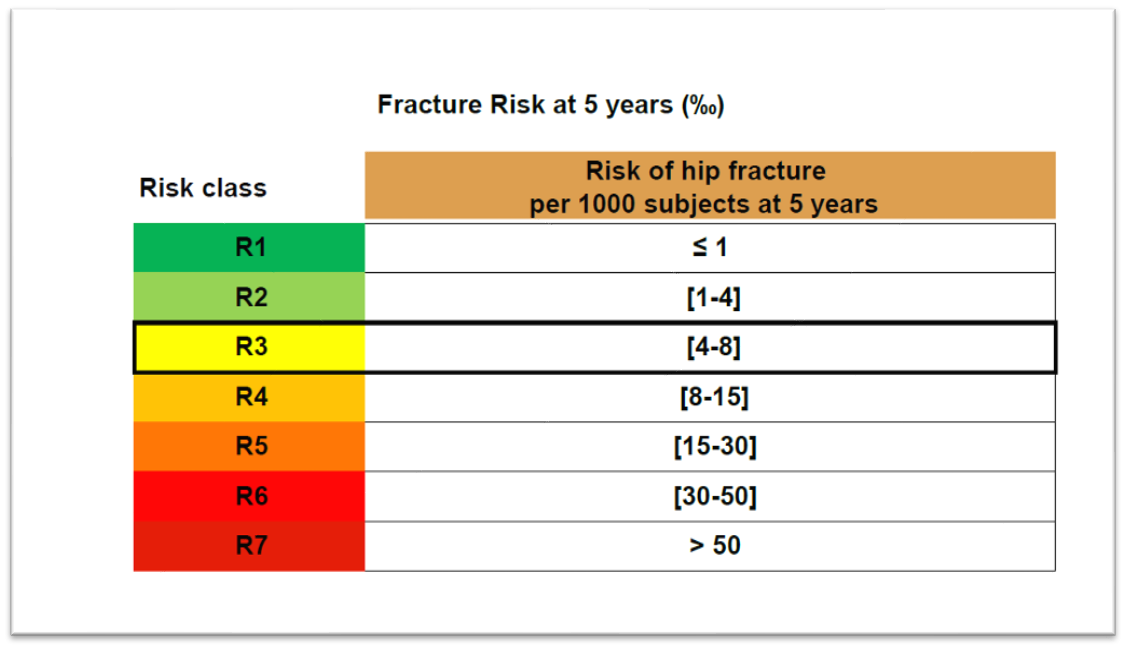
- Fracture Risk Estimate: An estimated 5-year risk of fracture, expressed per 1,000 people (e.g., 10–20 out of 1,000 = 1-2%).